
Is Drug Possession a Misdemeanor or a Felony in California?
Simple possession of a controlled substance without a valid prescription is usually a misdemeanor in California, punishable by up to one year in county jail under Health and Safety Code 11350 or 11377. It becomes a felony only in narrower situations: when the person has a prior conviction for certain serious or violent felonies or for an offense that requires sex offender registration, or, since Proposition 36 passed in November 2024, when a person possessing a hard drug has two or more prior convictions for listed drug offenses (Health and Safety Code 11395).
Possession for sale, transportation and importation are separate charges with much heavier penalties, and prosecutors often argue that the amount, packaging or cash found with the drugs shows an intent to sell. For many first-time possession cases, pretrial diversion under Penal Code 1000 is available, and completing it ends with the charge dismissed.
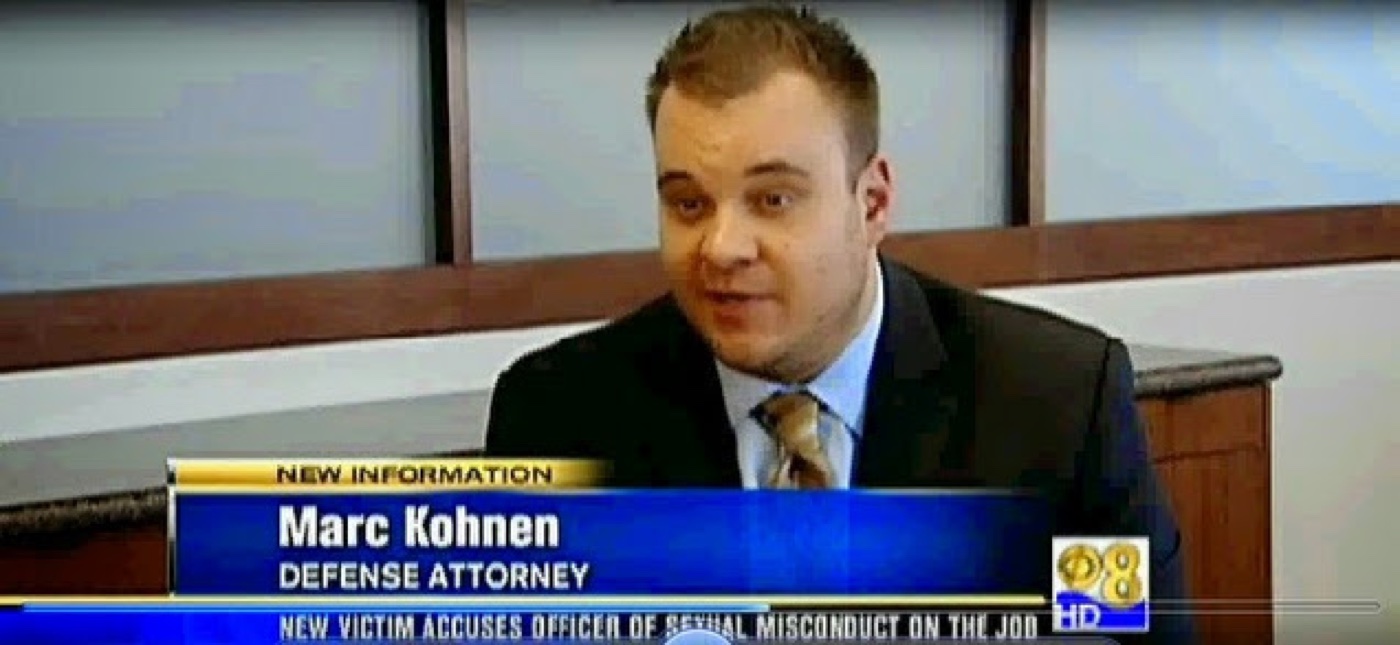
Even a misdemeanor drug conviction can follow you for years, affecting jobs, housing, professional licenses and immigration status, so it matters to act quickly. Marc Kohnen has defended drug cases in San Diego courts since 2008, from simple possession to multi-count felony cases, and he gives every case personal attention from the first consultation through trial.
Is Marijuana Possession Still a Crime in California?
Adults 21 and older may legally possess up to 28.5 grams of cannabis and up to 8 grams of concentrated cannabis under California law (Health and Safety Code 11362.1). Possessing more than that is a misdemeanor for anyone 18 or older, punishable by up to six months in county jail and a fine of up to $500 (Health and Safety Code 11357). For people 18 to 20, possessing up to 28.5 grams is an infraction with a fine of up to $100.
Federal law is different. Marijuana is still a controlled substance under federal law, and knowingly possessing a controlled substance without a valid prescription is a federal crime (21 U.S.C. 844). Transporting marijuana across state lines can lead to federal charges with much harsher penalties, so it helps to have a defense attorney who understands both state and federal drug laws.
The amount, your record and the evidence of intent all matter. A small personal amount is treated far less seriously than a quantity prosecutors say was meant for sale. Marc's office has had charges of possessing and transporting marijuana for sale under Health and Safety Code 11359 and 11360 dismissed entirely. Every case is different, and prior results do not guarantee a similar outcome.
What Are the Penalties for Drug Possession in California?
Penalties depend on the drug, the amount and your record. Simple possession under Health and Safety Code 11350 or 11377 carries up to one year in county jail. A prior conviction for certain serious or violent felonies, or for an offense requiring sex offender registration, can make the same possession a felony punishable under Penal Code 1170(h), and Proposition 36 created felony exposure for people with two or more prior drug convictions, with a court-supervised treatment program offered in place of jail. When police believe the drugs were held for sale, the charge becomes possession for sale or transportation, which carry substantially heavier sentences.
First-time offenders often have alternatives that avoid a conviction. Pretrial diversion under Penal Code 1000 covers simple possession under Health and Safety Code 11350 and 11377, among other offenses, when the person has no prior felony conviction in the past five years, no other drug conviction in that period beyond the listed offenses, no evidence of a drug violation at the same time other than the listed offenses (possessing drug paraphernalia along with the drugs, for example, does not by itself rule you out), and no violence or threatened violence in the charged offense. If the program is completed, the charges are dismissed. Marc evaluates diversion eligibility in every possession case, along with reduced charges and other ways to keep a conviction off your record.
To convict you of simple possession, the prosecution must prove each of the following:
- You possessed a controlled substance, either by holding it or by having control over it or the right to control it
- You knew it was there
- You knew what it was, meaning you knew of its nature or character as a controlled substance
- It was a usable amount, not just useless traces or residue
How Can a Drug Possession Charge Be Fought?
Most possession cases turn on how the drugs were found. If police stopped you without reasonable suspicion, searched without a warrant or a valid exception, or pressured you into consenting, a motion to suppress can exclude the evidence, and without the drugs there is usually no case.
Knowledge is the other common battleground. Drugs found in a shared car, a borrowed jacket or a room several people use do not by themselves prove that you knew they were there or knew what they were, and the prosecution must prove both. If you had a valid written prescription for the drug, possessing it is not a crime under Health and Safety Code 11350 and 11377.
Drug charges are a regular part of Marc's practice. If you feel you were wrongly accused of drug possession, or you carry a valid prescription, let Marc be your voice in court.
Talk to a San Diego Drug Possession Lawyer
No matter how complicated your situation is, the prosecution's theory can be tested. Lab results, the chain of custody, police reports and witness testimony can all be challenged, and Marc negotiates with the prosecution on your behalf while preparing the case for trial.
If you or a loved one has been accused of drug possession in San Diego, now is the time to get a lawyer involved. Call Marc Kohnen today for a free consultation and take back control of your case.
More on Drug Crimes
- Drug Distribution. Sales, transportation and trafficking allegations, state and federal.
Back to the Drug Crimes overview.
Published by the Law Office of Marc S. Kohnen, Attorney at Law, State Bar of California #255303, defending San Diego since 2008.
Free, confidential case evaluation, available 24 hours at (619) 398-2500.